Netanyahu’s Pardon Request
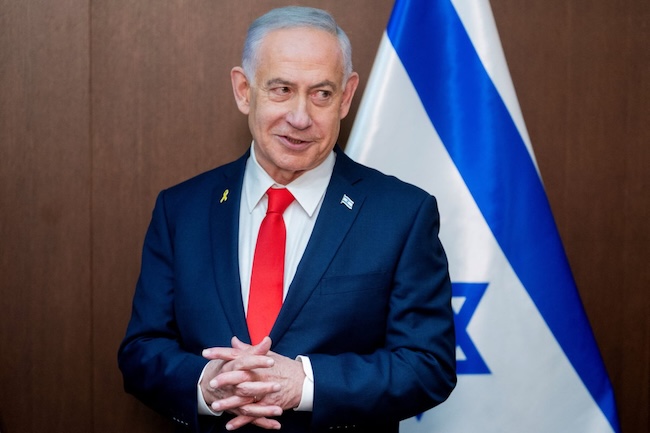
Israeli Prime Minister Benjamin Netanyahu has requested a presidential pardon from President Isaac Herzog amid his ongoing corruption trial. Normally this isn’t done in Israel before a verdict is reached. However, it is believed that the Trump “peace plan” could be endangered by having Netanyahu remain under indictment with the trial dragging on. This may be a significant factor behind the request.
President Herzog’s Response
President Herzog has stated that he will consider the request with the welfare of the state and Israeli society in mind. He acknowledged the significant public debate surrounding the pardon and emphasized the need for a careful and responsible approach to the decision. We hope that he will do so without regard to his personal political considerations. We are well aware that his primarily left-wing base will not be happy with him if he uses his pardon power.
Public Reaction
The request has sparked protests in Israel, with demonstrators rallying outside Herzog’s home. Left-wing citizens oppose the pardon, fearing it would undermine democratic institutions and suggest that Netanyahu is above the law.
Legal Context
Pardons in Israel are typically granted after legal proceedings have concluded. Netanyahu’s request is considered extraordinary, as it seeks to intervene in an ongoing trial. Legal experts note that while the president has broad discretion in granting pardons, such requests before a conviction are rare. Additionally, a pardon at this point leaves open the question of whether Netanyahu is actually guilty of even the most minor criminal offense, a question that the Prime Minister would in all likelihood prefer to have answered unequivocally.
What are the reasons for President Herzog to pardon Netanyahu?
National Reconciliation
A pardon could promote national unity in Israel, which has been deeply divided due to ongoing political tensions and Netanyahu’s lengthy corruption trial. Netanyahu argues that ending the trial would help lower societal tensions and foster reconciliation among Israelis.
Sovereignty and Leadership
President Isaac Herzog has emphasized Israel’s sovereignty and the importance of making decisions based on the well-being of the Israeli people. Pardoning Netanyahu could be seen as a way to stabilize the political landscape during a tumultuous time, especially with ongoing conflicts in the region.
Legal Considerations
While Netanyahu has not admitted guilt in his pardon request, the legal framework in Israel allows for pardons without an admission of wrongdoing. Herzog has stated that he will consider the request seriously, indicating a willingness to weigh the implications of a pardon on the legal system and public perception.
Support from Allies
U.S. President Donald Trump has publicly urged Herzog to grant a pardon, highlighting the international political dynamics at play. Support from influential allies may pressure Herzog to consider the broader implications of his decision on Israel’s international relations.
Conclusion
Pardoning Netanyahu could address immediate political challenges and promote a sense of unity in Israel, despite the complexities surrounding the legal and ethical implications of such a decision. While no one would be completely happy with the ramifications of a pardon, we believe that relieving a sitting democratically elected leader of a democratic nation from the burden of appearing in court to answer for questionable (to say the least) allegations is an action whose time has come.